KIND

Kudirat Initiative For Democracy

  • Who We Are
    • Our Staff
    • Our Board
    • Our History
  • Our Work
    • Our Mission and Vision
    • Resources
    • Gallery
    • Amazons
  • News
  • Get Involved
    • Donation
    • Our Donors
  • About
  • DONATE
HomeKIND ORGANISATION

KIND and DFID support women in politics – KIND this week

01.16.17

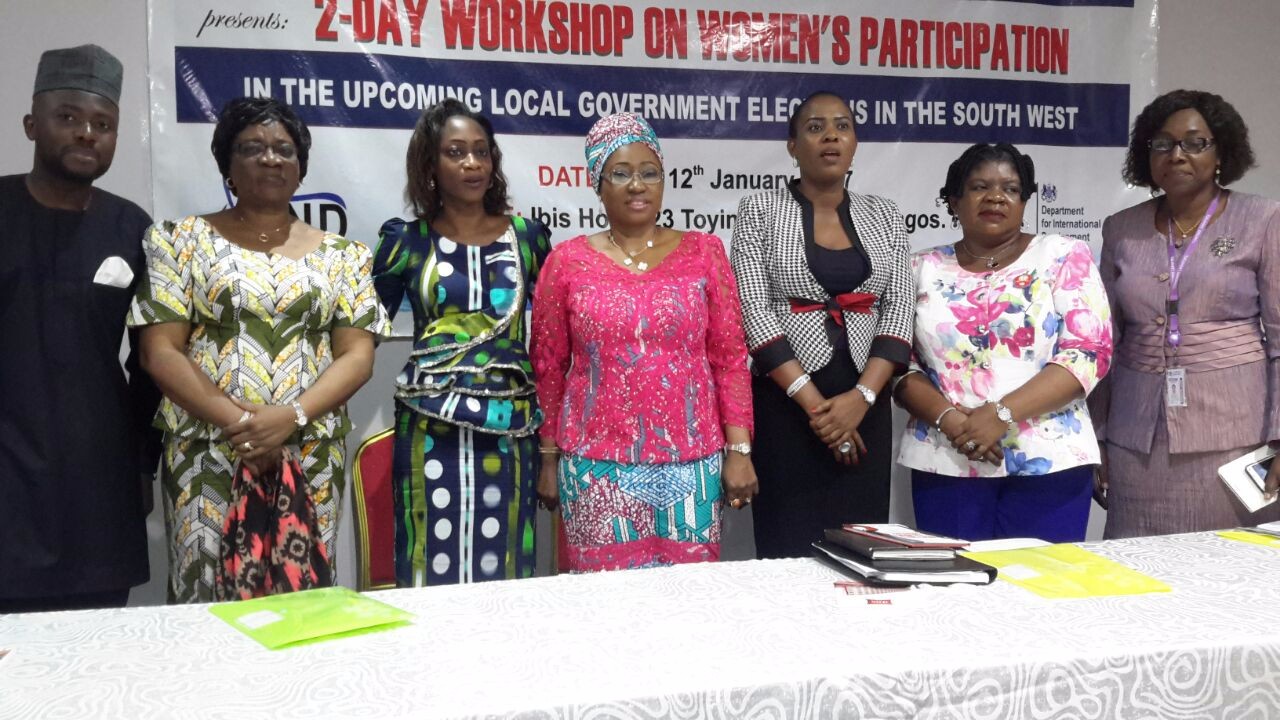
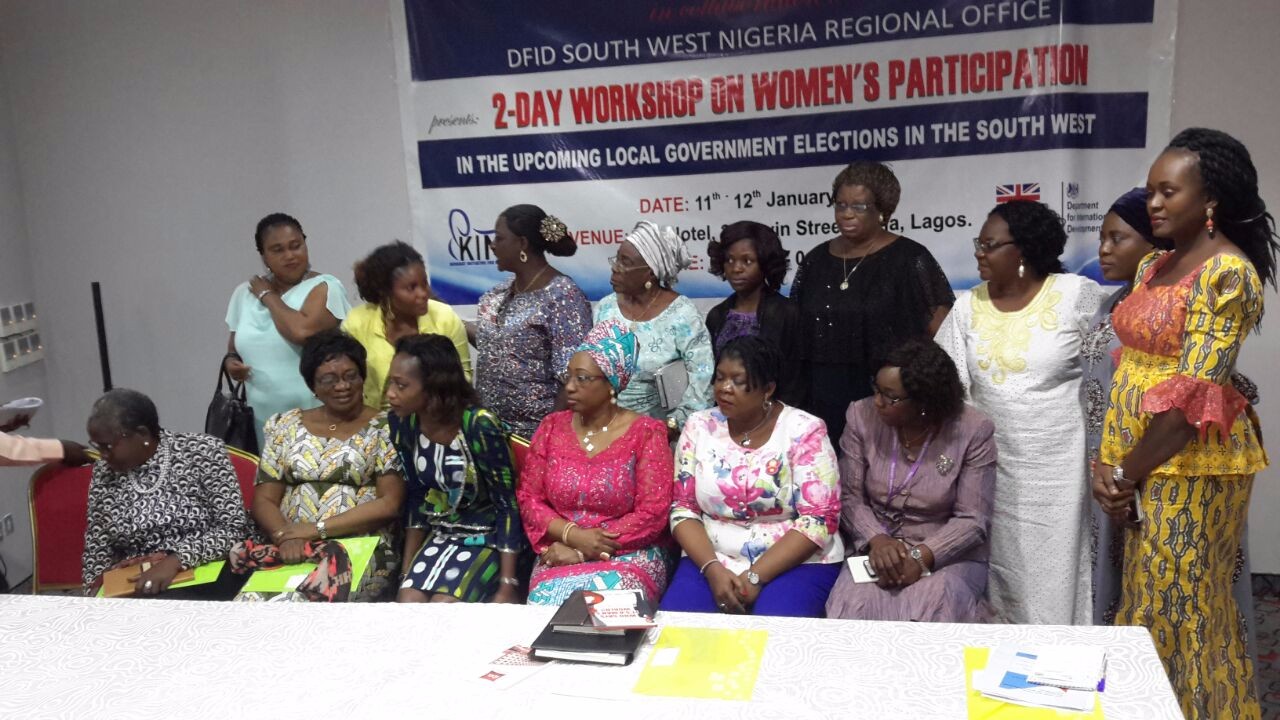
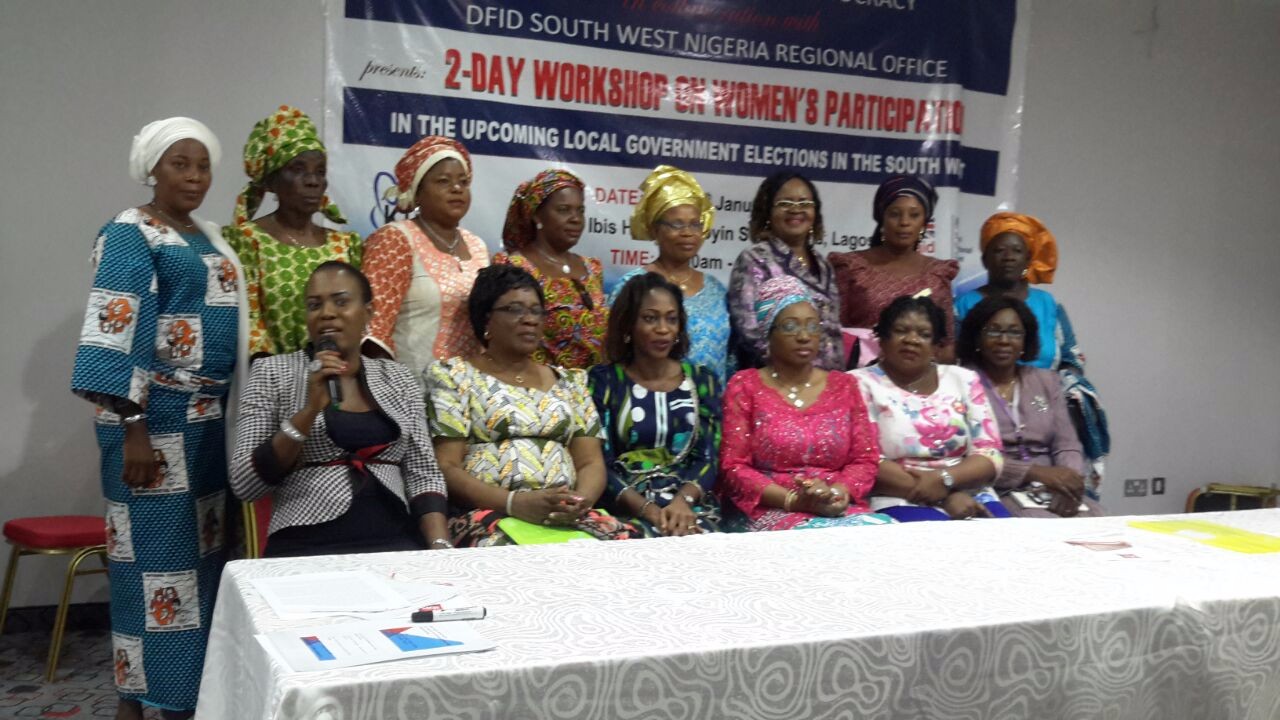
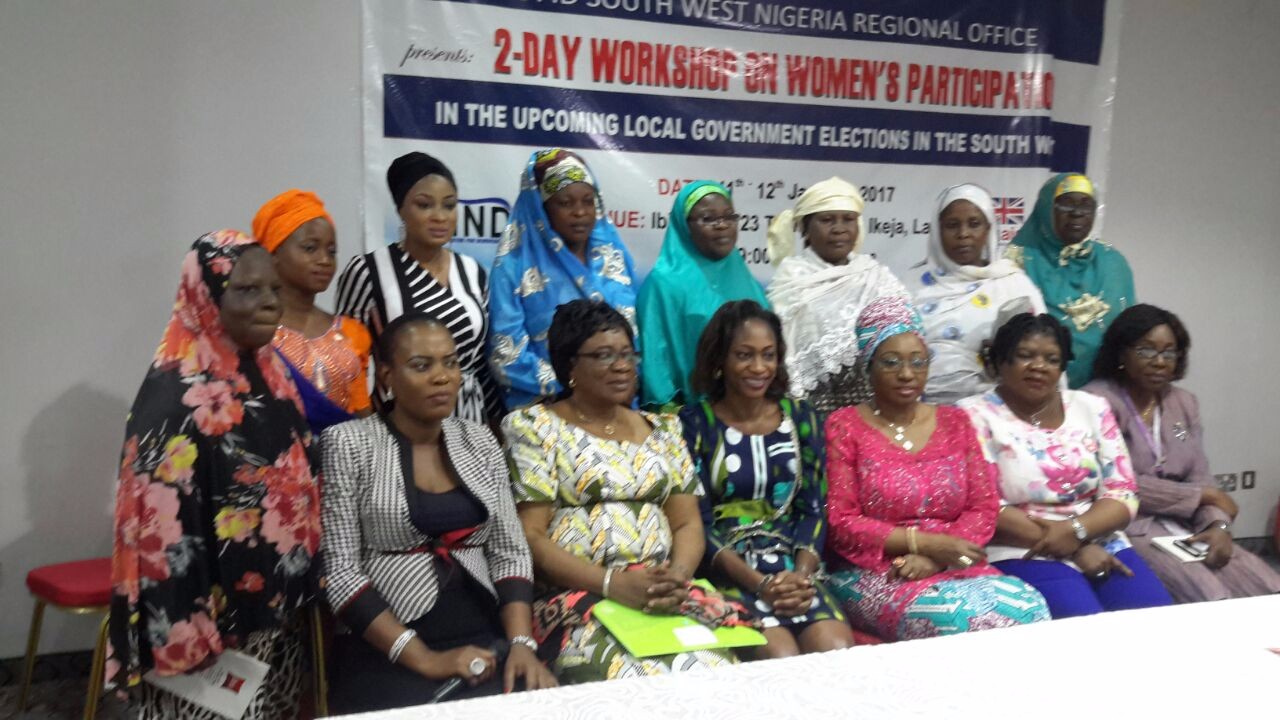
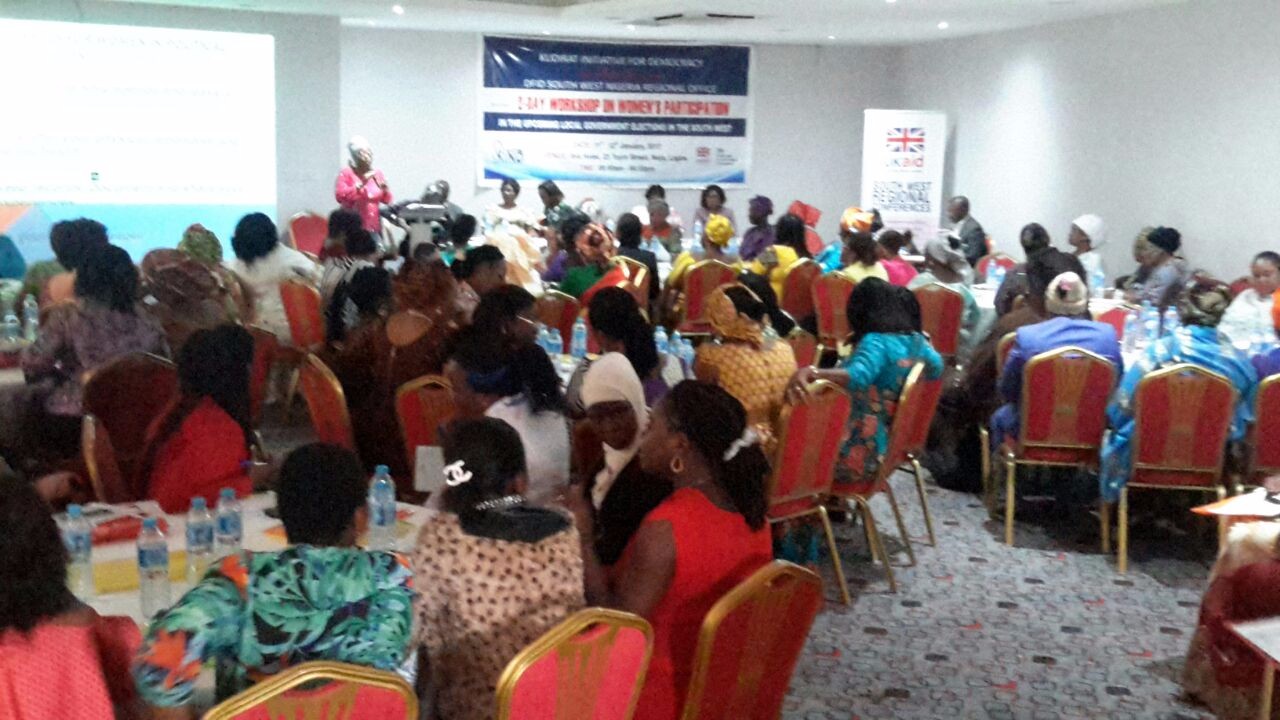
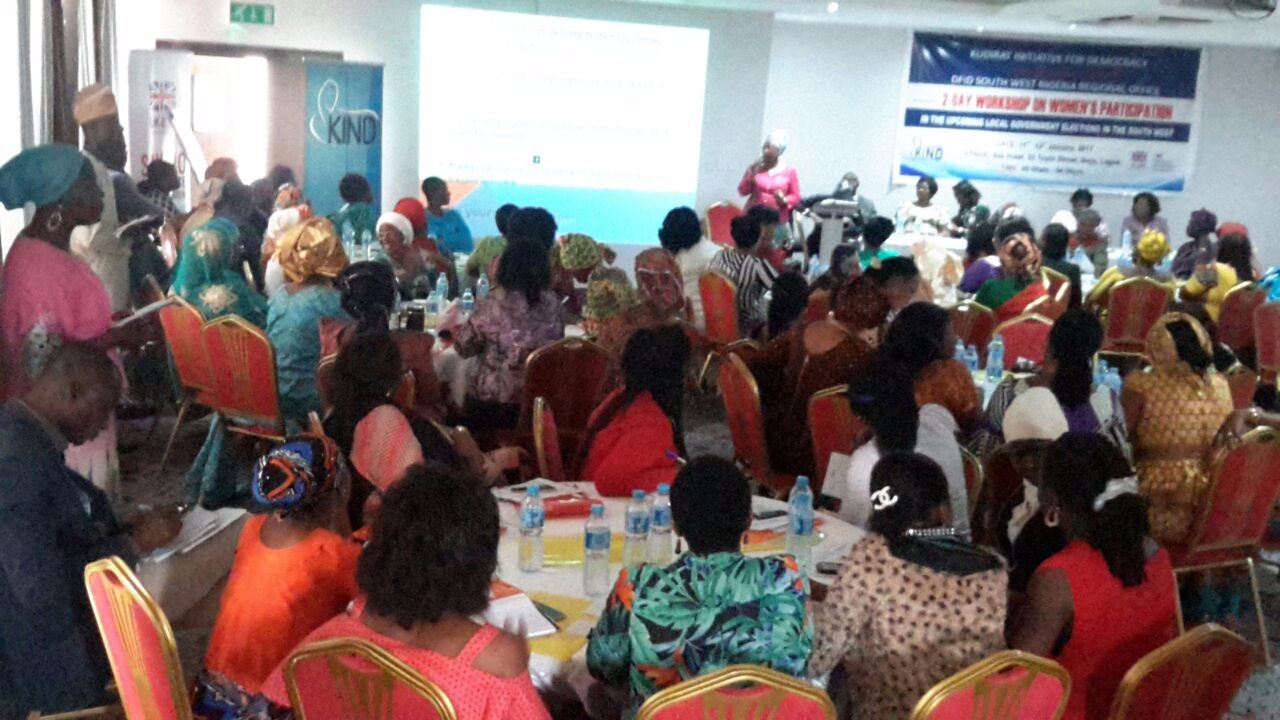
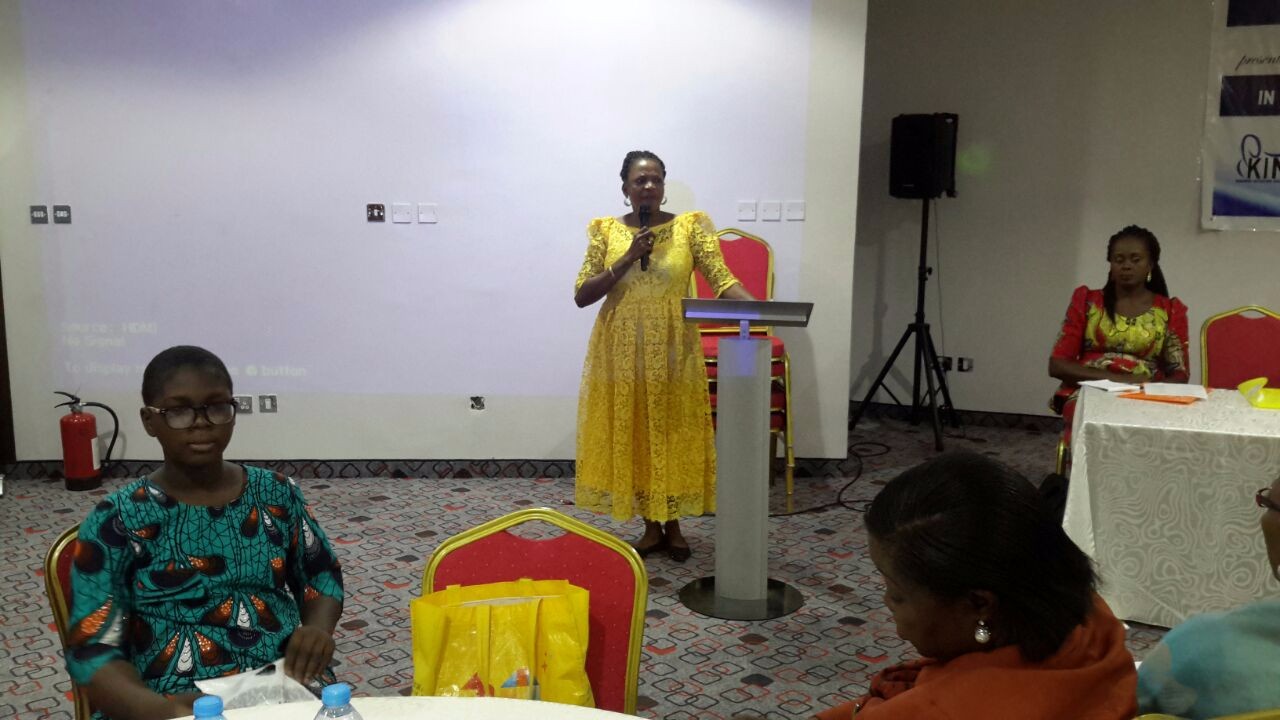
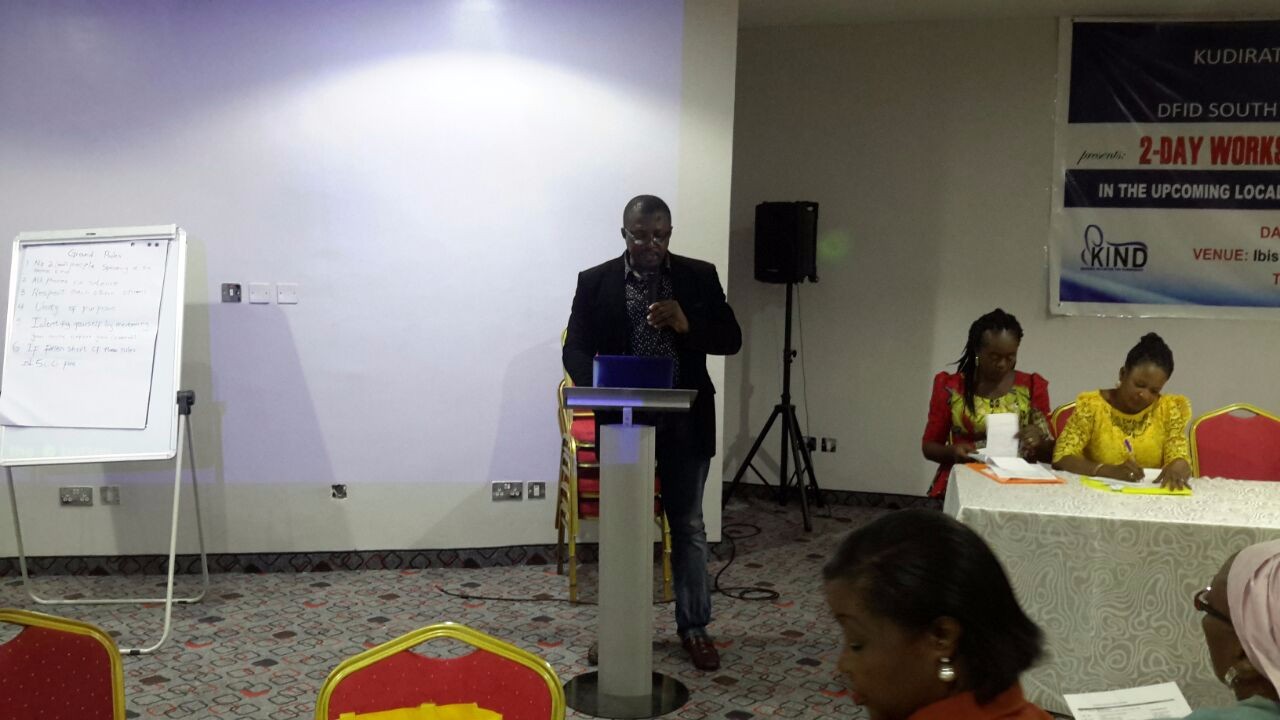
This week in collaboration with the Department for International Development (DFID) South West Nigeria Regional office, we at KIND  hosted a conference on women’s participation in the upcoming local government elections in the South West region.

The program held on 11th and 12th of January 2017 at Ibis Hotel, 23 Toyin street, Ikeja.

DFID is a United Kingdom government department responsible for administering overseas aid. The goal of the department is “to promote sustainable development and eliminate world poverty”.  In Nigeria, DFID funds many organisations who are working to end poverty through open competition.

Experts and gender development activists have continually advocated for the active participation of women in governance and other levels in the society. The aims of the conference and workshop included:

  1. To advocate and develop strategies that would work as sponsorship vehicles to ensure the target of greater participation of women in the coming local government elections.
  2. To engage with a wide range of political parties (multi-party system) towards a greater representation of women in every electoral process.
  3. Increase the tempo of mentoring for women politicians.
  4. Solicit support from other women’s groups, particularly women in business, towards a solid financial base for women politicians aspiring for elective positions.

Below are photos from the conference:
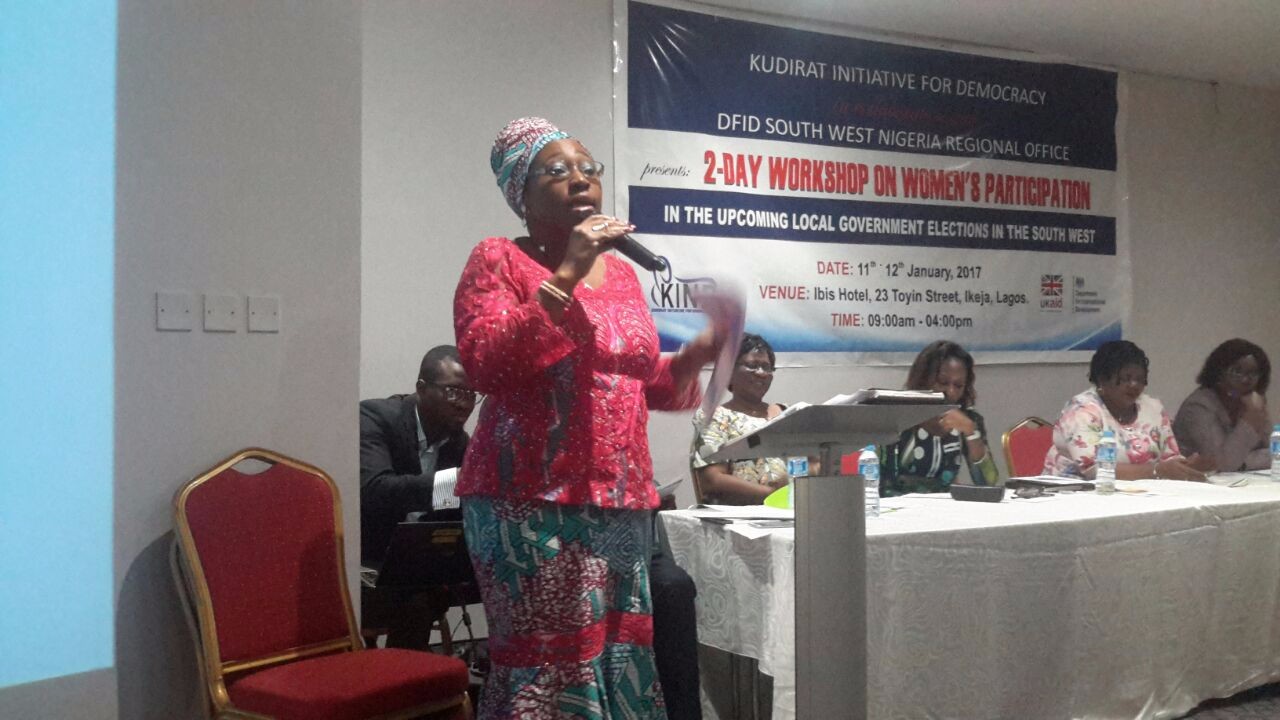
WhatsApp Image 2017-01-11 at 11.34.19 WhatsApp Image 2017-01-11 at 11.34.20 (1) WhatsApp Image 2017-01-11 at 13.39.56 WhatsApp Image 2017-01-11 at 13.21.44 WhatsApp Image 2017-01-11 at 13.16.08 WhatsApp Image 2017-01-11 at 13.14.21 WhatsApp Image 2017-01-11 at 11.59.57 WhatsApp Image 2017-01-11 at 11.59.51 WhatsApp Image 2017-01-12 at 09.20.32 (1) WhatsApp Image 2017-01-12 at 08.58.47

KIND President, Dr Hafsat Abiola-Costello receives Goi Peace Award

11.09.16

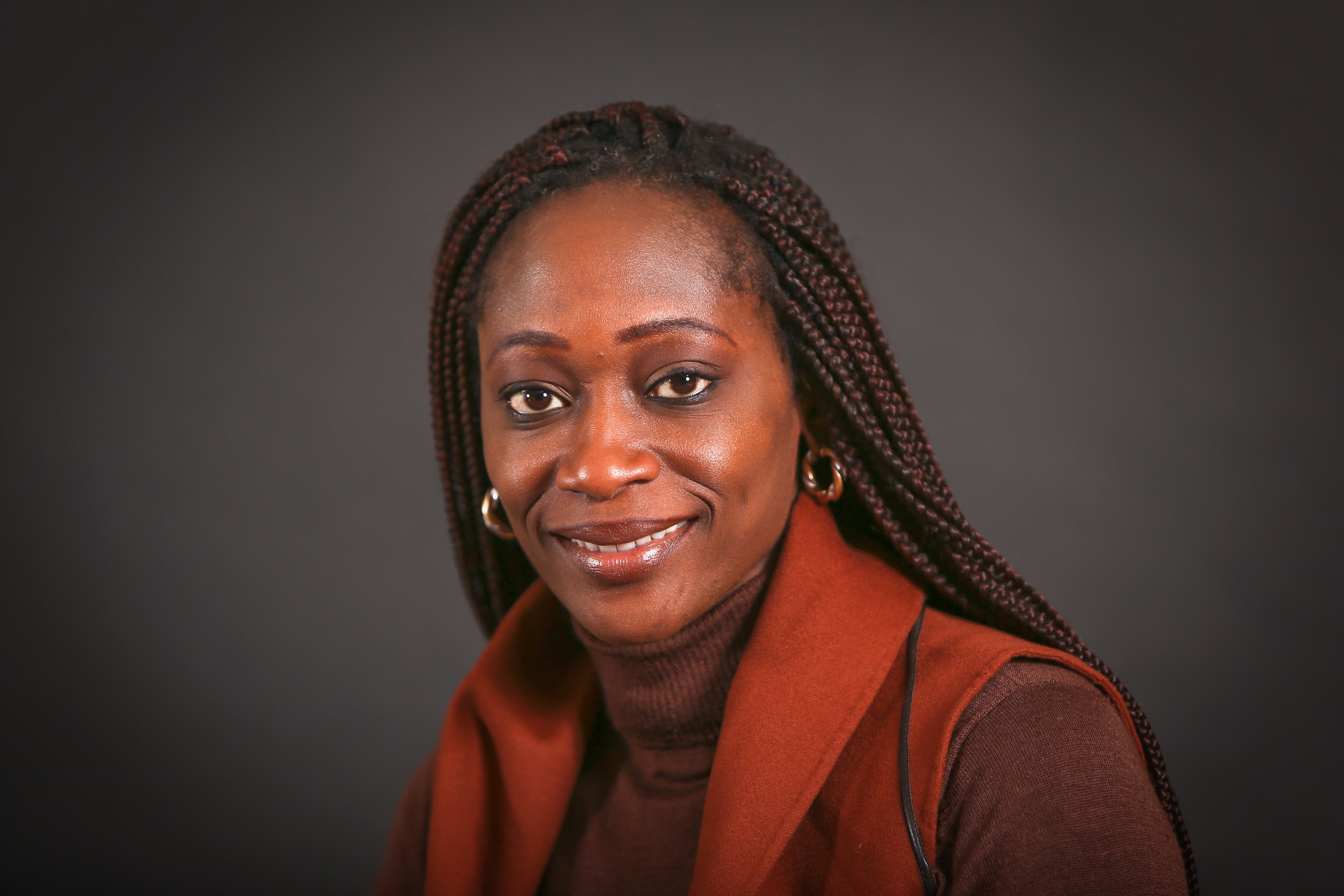
We are pleased to announce that KIND President, Dr Hafsat Abiola-Costello is receiving an award in Japan this month.
VV-1
Below is an excerpt from the letter she received from Naomi Yamazaki the Secretary-General of the  Goi Peace Foundation.
HAFSAT ABIOLA-COSTELLO | Honoree Narrative

 “Guard your light and protect it. Move it forward into the world and be fully confident that if we connect light to light to light, and join the lights together…we will be enough to set our whole planet aglow.”

“Hafsat Abiola-Costello believes that our world needs more than a few exemplary women leaders, it needs a groundswell. Since age 19, she’s been stirring up activism in fellow Nigerians, fueling movements for democracy, gender equality and women’s leadership in her country and throughout Africa.

“Born into a prominent political family, Hafsat embraced her own call to leadership in a time of crisis. After nearly 30 years of military rule in Nigeria, democratic elections were held in 1993, when Hafsat was an undergraduate studying in the United States.

“Her father Moshood won in a landslide victory, setting in motion a pro-democracy movement that the military had never anticipated. The election was quickly annulled and Moshood was imprisoned. Hafsat’s mother Kudirat began a bold campaign for her husband’s release, and Hafsat rallied support across the United States.”


Education Challenge funding window called ‘Leave No Girl Behind’

11.09.16

CacL1qaVIAEdYl5
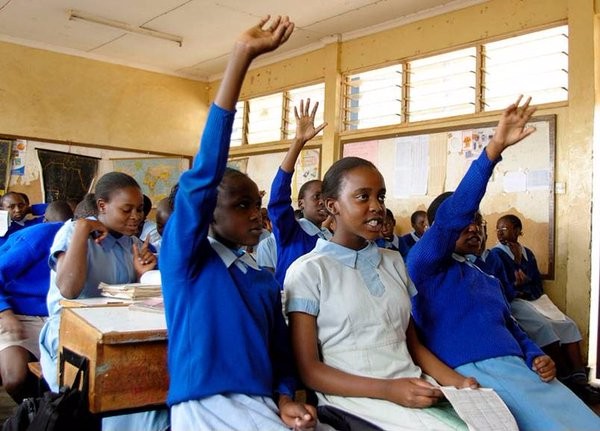
As you may already be aware, there is a new Girls’ Education Challenge funding window called ‘Leave No Girl Behind’ which will support the most marginalised, out-of-school girls.  
We invite applicants to outline their proposed intervention, its planned duration and expected costs in a high-level Concept Note.  The Concept Note template will go live in mid-November 2016.  The deadline for submitting concept notes will be 20th December 2016.
We are opening invitations for a series of workshops which the Fund Manager will be hosting for applicants to attend.  The day-long workshops will give applicants an opportunity to explore the context for Leave No Girl Behind, to generate ideas with other attendees and meet potential partners.  
As well as NGOs already working in this area, we are also very interested in private sector participation. Please note attendance at these workshops will not give any advantage to those attending.  All questions and answers raised will be made public, as will materials from the workshops.  There are a limited number of spaces available and a maximum of two participants per organisation may attend.  
To register for an event, please sign-up using the following links:
Yangon Workshop – 18th November 2016 http://bit.ly/2eVkpSB
Abuja Workshop – 21st November 2016 http://bit.ly/2eQ04zF
Johannesburg Workshop – 23rd November 2016 http://bit.ly/2fj6oCP
San José Workshop – 30th November 2016 http://bit.ly/2faJLB4
London – 5th December 2016 http://bit.ly/2eQ3N0t
If you are unable to attend any of these events, or the events are already at capacity, please e-mailgirlseducationchallenge@uk.pwc.com and we will provide an option to attend selected sessions via webinar.
Further details can be found on the GEC page on the DFID website:  https://www.gov.uk/guidance/girls-education-challenge

Application resources available for Commonwealth Foundation grants call 2016

11.09.16

Download resources to prepare your application now, or share with an organisation you know would be interested.


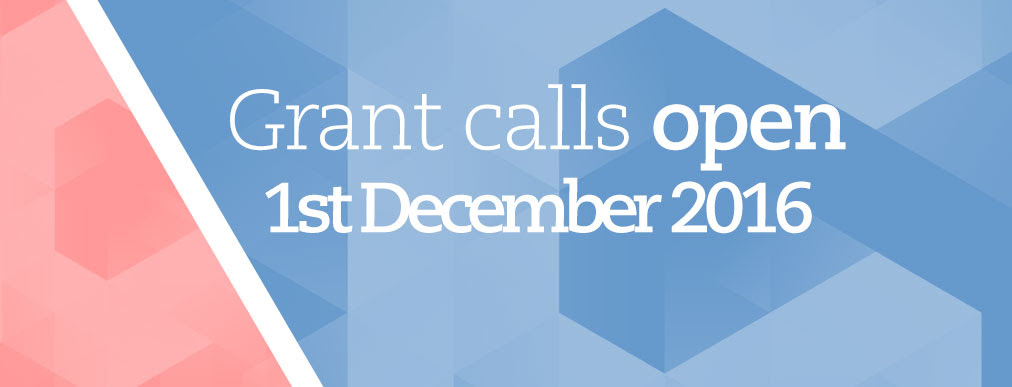
The Commonwealth Foundation will be inviting grants applications from 1st December 2016. To give applicants ample time to prepare for this year’s grant calls, we are providing early access to the application guidelines and preliminary application questions.

Two grant calls will open for applications on 1 December 2016.
1) Grants call for projects to be implemented in eligible countries in Africa, Americas, Asia and Europe 
  • The deadline for submission of the preliminary application form is 17.00 GMTon 4 January 2017
  • For further information about this call, including supporting documents, click here.
2) Grants call for projects to be implemented in Pacific Islands – Kiribati, Papua New Guinea and Tonga
  • The deadline for submission of the preliminary application form is 17.00 GMTon 10 February 2017
  • For further information about this call, including supporting documents, click here.

Stay updated at:
www.commonwealthfoundation.com/grants

Hafsat Abiola-Costello Speech presented during the Vital Voices Award Ceremony

12.28.15

Across West Africa, women and girls struggle daily to ensure that their rights are recognized. Urban centres offer more protection than rural areas where patriarchy largely goes unchallenged. But the widest disparity is not the urban-rural divide but the divide between the expectations of those of us who fought for democratic change and the reality we discovered under democratic regimes.

Naively perhaps, we had expected that women and girls’ rights would be added on in our countries once democratic systems were secured. Yet, now we find that while most countries in west Africa are democratic, the rights of women and girls are not being advanced as a matter of priority. With the Arab Spring, we discovered why. Since democracy gives power to the people, women and girls’ rights become subject to what the majority believes.

What do the majority of people in West Africa believe? Going by the fact that no West African country is in the top ten for gender equality in Africa whereas six are in the bottom of the ranking done by the African Development Bank, it would seem that they do not believe in equality of women and girls.

That’s the bad news. The good news is that positive change can be rapid and the key is leadership that drives change. I experienced this first hand over the last few days during my first ever visit to Rwanda where I was invited to speak at the pre-forum to the African Union Commission’s dialogue on Democracy, Governance and Human Rights.

As you know, Rwanda now leads the world in the proportion of women in parliament and ranks 2nd after South Africa, according to the Africa gender equality index.  To visit Rwanda is to enter a country transformed from the genocide of 20 years ago during which one million people were killed in one hundred days to a country that has not only recovered, but grows and excels.

The question for us in West Africa is how can we build a movement where leaders wherever they are found take principled positions and exercise power responsibly to uphold the human rights of women and girls?

I would like us to look briefly at three issues calling for leadership and action.

  • Child marriage.
  • The culture of violence in the home and in the society.
  • And women’s political participation.

Child Marriage

Child marriage is a problem in the region. In Nigeria, according to a National Population Council Report, child brides account for as many as 48 per cent of young girls who are married off before their 18th birthday.

Southern Africa has offered us an inspiring example of a female traditional chief who challenged the practice and was able to overturn all such cases in the communities under her jurisdiction, returning the girls back into classrooms where they belonged.

In contrast, in Nigeria, a major advocate for women and girls’ rights and one of the most powerful religious and traditional kings in the country came under some controversy recently when he contracted a royal marriage with a princess from the Adamawa caliphate. The king, the Emir of Kano, is 54. The bride, 18. Some critics were pacified to learn that the bride will not begin married life until after completing her university education in three years, by which time she will be twenty-one. However, many continued to express reservations due to the expected power difference between the couple.

To my mind, they missed a golden opportunity to highlight the fact that eighteen or twenty-one is not twelve or thirteen. Just six years at the minimum but enough time to ensure that giving birth doesn’t claim the mother’s life; enough time to enable the girl-child to complete her secondary school and have that much more knowledge and tools for taking care of the children she will bear; and enough time to create more options for herself. Considering that the challenge in remote parts of the north and among poor rural families across Nigeria is whether to marry off girl-children, that bigger danger must be at the fore-front of our thinking. What is gained by seeking to alienate a leading authoritative voice whose advocacy can probably do more than that of any other figure in the region for our quest to end child marriage?

Related to ending child marriage is the need to secure the right of all girls to an education. In post-Ebola Sierra Leone, as many as 5000 girls were found to have become pregnant over the course of the year when schools were shut to contain the epidemic. So far, the girls are still out while the government vacillates between condemning them and promising to make special provisions for their continued education. It is worth noting that none of the boys who were involved in getting the girls pregnant are being kept out of school. We cannot on one hand ask parents to keep their daughters in school and on the other condone the fact that there are no schools for girls who become pregnant. Neither cultural stigma, religious beliefs nor inadequate planning by the state or society can be allowed to trap girls in ignorance. All girls must be able to go to school!

Secondly, there is an urgent need for leadership to push back on the culture of violence in the home and in public spaces.

Over the last ten years, there is growing awareness about violence against women across West Africa. There is also increasing recognition that it is wrong although many people, women included, continue to believe that a man has the right to ‘correct’ his wife by beating her. However, key in changing mindsets is the adoption of legislation to criminalize violence against women and girls in all its forms and enforcement of this law.

Guinea, where government forces sexually violated at least 109 women during a peaceful protest in September 2009, inspires us all with the June indictment of the then president, Mousse Dadis Camaro, for this atrocity. In this case that saw the judicial system of Guinea supported by the United Nations, the region has been able to establish the fact that there will be no immunity for those leaders that violate the rights of their female citizens.

However, whether women and girls in the region can expect to live in safety and security, to have their rights recognized and protected, depends significantly on political decisions; decisions taken in an arena where many in the society believe that women and girls do not belong.

Which brings me to the third of the three issues – women’s political participation.

We cannot claim to have a democratic system when half of the population – women and girls – are excluded from effective participation. Unfortunately, more and more, we see how women and girls’ ‘not belonging’ in the political arena translates into a diminishing quality of life. Lacking representation, they lack voice. Women and girls cannot afford to continue to accept the notion that they do not belong in a space where decisions that will affect their lives are taken.

Consider the crisis of Boko Haram’s insurgency in Nigeria.  Partly a result of the dysfunctional campaigning practice of politicians mobilizing unemployed young men who they arm to intimidate their opponents, and who they later dump once the elections are over. Partly a backlash from the extra-judicial killing of the leader of a fringe religious sect by the police. And partly the unexpected fall-out of the fall of the Gaddafi regime in Libya that saw the influx of mercenaries and arms into the sahel.

The combination of these three factors, the first two caused by poor decision-making by male politicians and government security officers in Nigeria, has now resulted in a crisis that has claimed 20,000 lives and displaced 2.3 million people. Women and girls suffer disproportionately. Of the 276 girls in the school in Chibok that were abducted in April 2014, 219 are still captive, 600 days on, along with hundreds, if not thousands, of other captives. And worse still, the Boko Haram sect has started using young girls as suicide bombers.

Beyond condemning Boko Haram and other violent extremist groups, we must acknowledge that they are by-products of misgovernance. They, like most citizens of Nigeria, are asking the question – does anyone care about them? When we violently put down violent extremism, it stops the violence. But if we do not answer the question that precipitated the violence in the violence, we only solve the problem momentarily. The human need to belong, to be recognized by others, will propel the children of Boko Haram to rise tomorrow as it propelled the children of Maitatsine to rise today.

Initiating a dialogue between people and leaders around how we can practice a more responsible form of democracy and governance has the potential to transform our societies. Women are skilled at fostering dialogue. Now more than ever, they need to step forward to help shape the public space so that the democracy is more representative, the economies more inclusive.

Women must mount pressure to see an end to unhealthy practices in politics. Thuggery is no substitute for campaigning. ‘Cash and carry’ electoral tactics where vote buying is the norm and negligence the democratic dividend many politicians deliver during their term, must also be made to give way to performance-oriented leadership.

So it is on this challenge of political participation that I would like to conclude my remarks. It took a civil war that decimated Liberia before the people there conceded political leadership to a woman. Now President Ellen Johnson Sirleaf is in her second term. She may not have a perfect record, but no-one can say her administration isn’t an improvement on the two predatory, murdering regimes that preceded hers. While she stands alone as the only female president West Africa has produced, from Senegal we have had two effective female prime ministers, both of whom had served as Justice Ministers; in the role of Attorney General of the nation, the first had managed the process that produced a new constitution for Senegal while the other successfully prosecuted political office holders for corruption. From Burkina Faso, we had a female interim head of government and in Nigeria, potentially the first female elected governor of a northern state.

Influence isn’t only restricted to elected and appointed political officials. Ekiti state in Nigeria benefited from a feminist first lady who supported civil society groups to ensure the passage of the Gender Based Violence and the Equal Opportunity bills. Beyond the political arena, all those who have a voice in our economic, political, traditional, and civil society spaces, can and must galvanize their constituents to work for a more gender-equal West Africa.

Women and girls are like the canaries in mine shafts. They are the first to be affected when things start to go wrong in a society and because of their gender-imposed limitations, they are often most adversely affected by poor governance and communal conflicts. Ensuring that they can be heard, that their rights can be protected and that their needs can be met will foster social resilience and positive change. Let us use the opportunity provided by the Carter Centre in convening this conference to share information and ideas and to commit to work together to make real the promise of democracy for the women and girls of our region.

KIND This Week

06.04.15

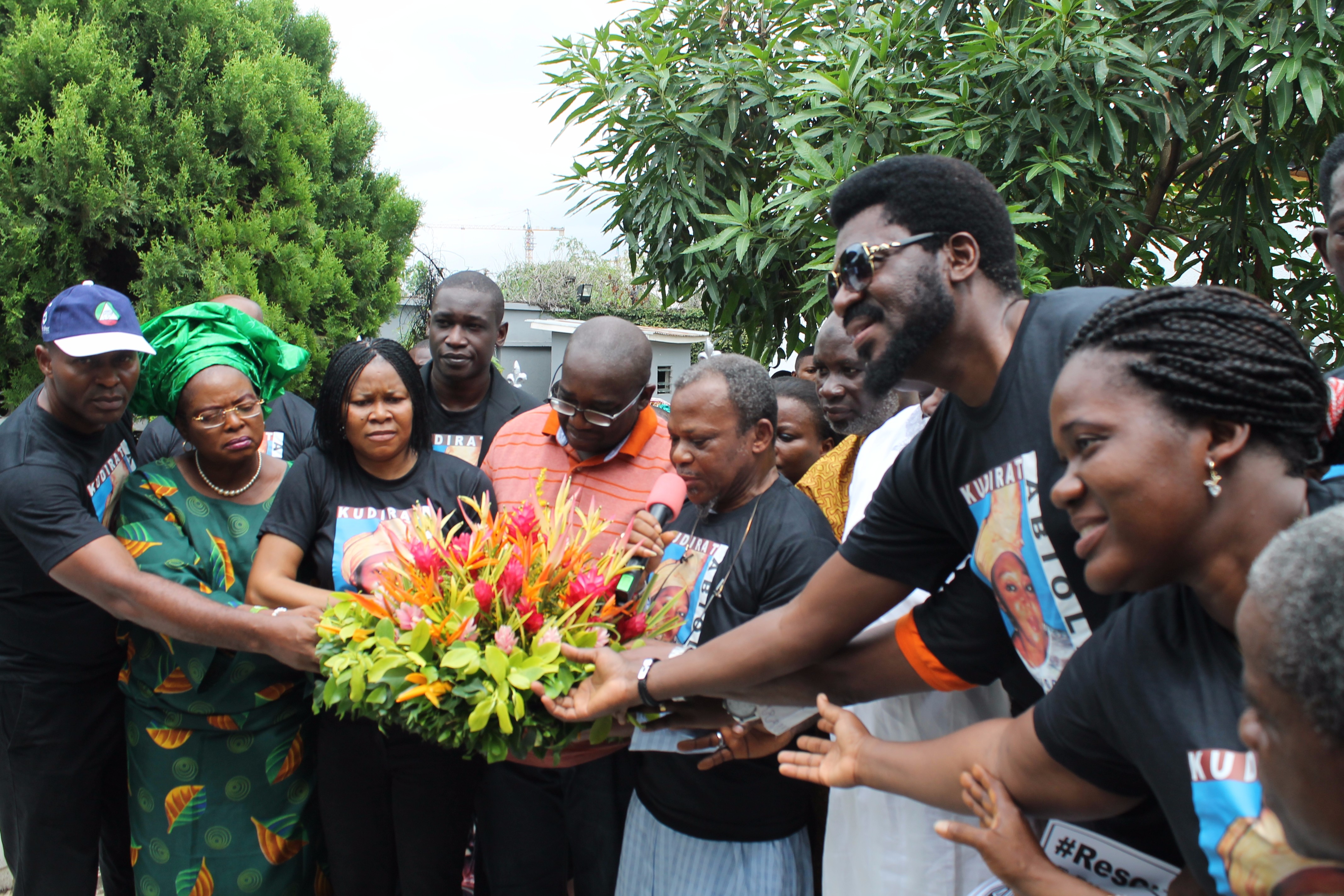
IMG_9179In the week of Monday 1st to Friday 5th June, KIND commemorated the 19th anniversary of the death of Alhaja Kudirat Abiola, pro-democracy activist and wife of the winner of the 1993 elections, Bashorun M.K.O. Abiola. This years’ event was hosted in partnership with the Women Arise for Change Initiative, under the leadership of Dr. Josephine Okei-Odumakin, a foremost civil activist during the military junta.

The event which was a sober reflection on the virtues and doggedness of the heroine for whom the Kudirat Initiative for Democracy was established to honour who was assassinated on the 4th of June 1996, was attended by distinguished personalities which include Rear Admiral Ndubuisi Kanu, former military governor of Lagos State and a NADECO Chieftain; Otunba Gani Adams, Leader of Oodua People’s Congress; Alhaja Ganiat Fawehinmi, wife of Late Chief Gani Fawehinmi; Nollywood Actors Ayo Badmus and Dejo the Comedian; sons of the late martyr Alhaji Jamiu Abiola and Mr. Abdulmumuni Abiola; amongst others. Also in attendance were students of the KUDRA Club in three different schools – Ifako Comprehensive High School, Gbagada Grammar School and Lanre Awolokun High School.

In the words of Dr. Josephine Okei-Odumakin,

“It was only after Abacha demise that the snipers of that evil regime started to confess to the barbaric act of murdering an innocent and harmless woman. Kudirat would forever be remembered for her stout defence of the right of the people to choose who lead them and a rejection of the reign of jackboot in Nigeria. Alhaja Kudirat stood as a colossus among the army of democracy who stoutly resisted the unjust diktat that is the annulment of June 12 elections.”

In the words of Alhaji Jamiu Abiola,

“…in America, there are only two Africans that streets have been named after them; first is Nelson Mandela and the second is my mother, because over there they know the value of what you did. Mum, we’re proud of you, you and Nelson Mandela, they put you both at the same level and that is enough for your children.”

In the words of Otunba Gani Adams,

“I will employ the Federal Government to recognize this woman in Abuja. Lagos State has done its own in naming a road after her and setting up a statue in her honour. What happened in the history of June 12 and what we’re doing here today will not encourage any leader being in power to involve in any killing against innocent Nigerians.”

The event came to a conclusion with the laying of the wreath on the grave of the late heroine which was led by the NADECO Chieftain, Rear Admiral Ndubuisi Kanu and other distinguished guests.

Read More Here

  • « Previous Page
  • 1
  • …
  • 6
  • 7
  • 8
  • 9
  • 10
  • Next Page »
Facebook

Categories

  • Events
  • News
  • News RoundUp
  • Publications
  • Uncategorized

Recent Posts

KIND Partners with PWAN Group for Youth Read More

Happy International women's Day Please Read More

codeHER will be running a virtual conference, Read More

The IE Guide was developed after Read More

Kudirat Initiative for Democracy organises an Read More

Recent Comments

  • PassLeakimpem on KIND’S WORK IN 2017
  • Abdul Hakeem soliat oyinkansola on KIND’S GARRI PROCESSING FACTORY IN AYETORO OGUN STATE IS IN PROGRESS
  • Akinkunmi O on KIND’S GARRI PROCESSING FACTORY IN AYETORO OGUN STATE IS IN PROGRESS
  • Ogunleke happiness on KIND Child Rights Project in Kano State
  • Ayeni Ibrahim on KIND’S GARRI PROCESSING FACTORY IN AYETORO OGUN STATE IS IN PROGRESS

Archives

  • June 2024
  • March 2021
  • January 2021
  • September 2019
  • August 2019
  • February 2019
  • December 2018
  • November 2018
  • July 2018
  • June 2018
  • April 2018
  • March 2018
  • February 2018
  • January 2018
  • December 2017
  • November 2017
  • October 2017
  • September 2017
  • August 2017
  • June 2017
  • May 2017
  • April 2017
  • March 2017
  • February 2017
  • January 2017
  • November 2016
  • December 2015
  • June 2015
  • March 2015
  • February 2015
  • January 2015
  • November 2014
  • October 2014
  • September 2014
  • August 2014

Categories

  • Events
  • News
  • News RoundUp
  • Publications
  • Uncategorized

Meta

  • Log in
  • Entries feed
  • Comments feed
  • WordPress.org

info@kind.org

website designed by Paprika Creative, LLC

  • Who We Are
    • Our Staff
    • Our Board
    • Our History
  • Our Work
    • Our Mission and Vision
    • Resources
    • Gallery
    • Amazons
  • News
  • Get Involved
    • Donation
    • Our Donors
  • About
  • DONATE

2023 © | KIND.org, All Rights Reserved